Life Skills IQ Training for Substance Abuse
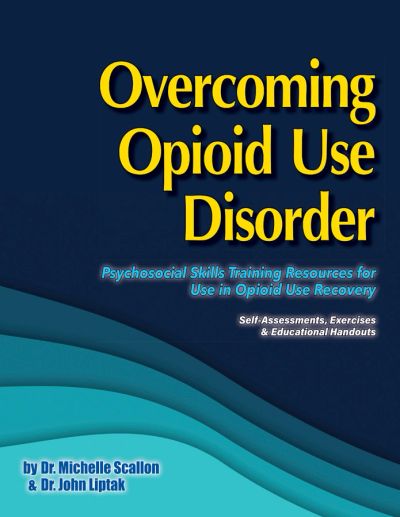
Outcomes-Based Recovery Support for Opioid Use Disorder
Recovery from opioid use disorder requires more than information. It requires structure, accountability, and opportunities for participants to demonstrate learning and growth over time. This workbook is an outcomes-based program designed to help mental health professionals guide individuals through opioid addiction recovery using practical, evidence-informed strategies grounded in cognitive behavioral therapy and psychosocial skill development.
Designed for use in individual or group settings, this opioid recovery workbook helps participants examine how opioid use affects their thoughts, emotions, behaviors, relationships, and environment. Through structured education, guided reflection, and hands-on activities, participants build awareness, practice coping skills, and develop a hopeful, realistic plan for long-term recovery.
How This Opioid Recovery Workbook Works
Overcoming Opioid Use Disorder is organized into five sequential chapters, each representing a distinct stage of the addiction recovery process. Every chapter follows the G.A.D.E. model (Goals, Actions, Demonstrations of Learning, and Environment), allowing facilitators to track progress, reinforce learning, and support measurable change.
Chapters include structured education, journaling activities, experiential exercises, and reproducible worksheets. Activities are designed to support reflection, skill practice, and real-world application. Reproducible pages are also available in PDF eBook format, making it easy to print activities for counseling, treatment programs, or group sessions.
Chapter Overview
- Identification Stage
Helps participants recognize opioid use patterns, assess readiness for change, and identify how substance use impacts their lives. - Processing Stage
Supports exploration of emotions, attitudes, and behaviors related to opioid use, including personal responsibility and life management skills. - Recovery Stage
Focuses on building coping strategies, developing healthier habits, and creating a personalized recovery safety plan. - Hope Stage
Encourages motivation and resilience by helping participants define hope, identify strengths, and envision positive change. - Moving-On Stage
Guides participants in setting goals, visualizing success, and taking concrete steps toward sustained recovery and stability.
Who This Opioid Use Disorder Resource is For
- Therapists and counselors working with clients affected by opioid use disorder
- Adults and young adults engaged in opioid use disorder recovery
- Substance use disorder professionals in outpatient, inpatient, or community-based programs
- Social workers and case managers supporting recovery, stability, and life transitions
- Group facilitators leading recovery-focused or psychoeducational groups
- Treatment programs and recovery centers seeking structured, reproducible materials